


Diamond Brite is one of the most durable surfaces you can put inside a South Florida pool, but durable does not mean maintenance-free. This quartz-based finish is built to handle years of sun, chlorine, and the occasional cannonball, yet the pools that still look great after 15 or 20 years all have one thing in common. Their owners built a few simple habits early and stuck with them.
The good news is that caring for a Diamond Brite pool finish is neither complicated nor expensive. Most of it comes down to steady water chemistry, gentle cleaning, and knowing what small warning signs actually mean. Get those right, and your finish can stay smooth, colorful, and stain-free well past the point where a cheaper surface would need replacing.
Key Takeaways
- Balanced water chemistry is the single biggest factor in how long your finish lasts.
- Weekly brushing with a soft nylon brush keeps the surface clean without wearing it down.
- Diamond Brite is an exposed aggregate finish, so a little texture is normal, not a defect.
- Avoid acidic or abrasive cleaners, which can etch the quartz and dull the color.
- Catching stains and rough spots early is far cheaper than a full resurface.
What Makes Diamond Brite Different
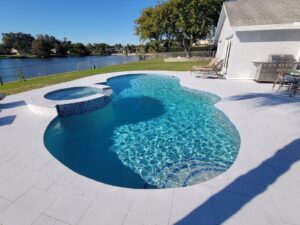
Diamond Brite is an exposed aggregate pool finish, which means it blends natural quartz with white cement instead of relying on plain plaster. That quartz is what gives the surface its color depth and its toughness. It resists staining, holds up to Florida’s chemistry swings, and keeps looking rich long after standard plaster has started to fade.
Because the aggregate sits close to the surface, the finish has a slight texture underfoot. That is by design, not a flaw. Understanding this helps you care for it correctly, since the goal is to keep the quartz clean and protected by good water, not to scrub it down like bathroom tile.
Why Water Chemistry Comes First
If there is one thing that decides whether your finish lasts 8 years or 18, it is water balance. Good Diamond Brite pool maintenance really begins with your test kit. Water that drifts too acidic slowly etches the surface, while water that runs too alkaline leaves scale and cloudy deposits across the quartz.
Check your levels at least once a week, and more often in peak summer when heat and heavy use throw things off fast. Keeping these ranges steady protects the finish far more than any product you can buy:
- pH between 7.4 and 7.6
- Total alkalinity around 80 to 120 ppm
- Calcium hardness near 200 to 400 ppm
- Chlorine in the 1 to 3 ppm range
Small, consistent adjustments beat big corrections every time. If you find yourself dumping in chemicals to fix a wild reading, the surface has probably already taken some wear.
Cleaning Without Wearing It Down
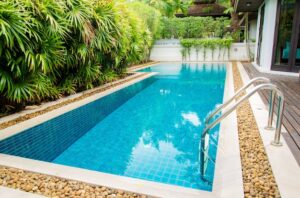
Gentle and regular beats aggressive and occasional. A weekly pass with a soft nylon brush lifts dirt and early scale before it has a chance to set, and it keeps the quartz looking bright. Stay away from stiff wire brushes and harsh acidic cleaners, which strip the surface and shorten its life.
This kind of routine pool finish maintenance takes only a few minutes but pays off for years. The same care applies across most aggregate pool finishes, so the habits you build here will serve you well no matter how your pool evolves.
- Brush weekly, focusing on steps, corners, and shaded spots where buildup hides.
- Skip abrasive pads and acid washes unless a professional recommends one.
- Run your filter and pump long enough each day to keep the water moving and clear.
Habits That Quietly Add Years
Knowing how to maintain Diamond Brite is partly about what you avoid. Draining the pool is one of the biggest risks, since an empty surface can dry out, crack, or even lift under Florida’s high water table. Leave draining to professionals who know how to do it safely, and only when it is truly necessary.
Everyday use matters too. Rinsing off heavy sunscreen and lotions before swimming reduces the oily film that dulls a finish, and keeping metal objects and toys from resting on the bottom prevents rust stains. None of this is dramatic, but these small choices are what separate a tired pool from one that still turns heads a decade later.
When It Is Time for a Refresh
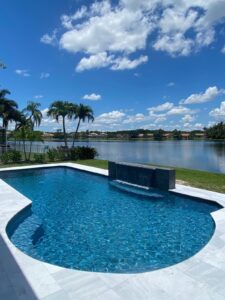
Even a well-kept finish eventually shows its age. Persistent rough patches, spreading stains that no longer brush away, or thin spots where the quartz feels exposed are signs the surface is nearing the end of its run. Caught early, these issues are easier and less costly to address.
When that day comes, professional pool resurfacing restores both the look and the protection of your pool without a full rebuild. A quality resurface, paired with the same maintenance habits, resets the clock and sets you up for another 15-plus years of smooth, colorful swimming.
Keep Your Pool Looking Its Best
A Diamond Brite finish rewards steady, simple care, and the payoff is a pool that stays smooth, colorful, and inviting for the long haul. The habits above take only a few minutes each week, but together they can add real years to your surface.
If you have questions about your finish or think it might be time for a refresh, reach out to the team at Poolside Renos. You will get honest, local advice from people who have been resurfacing Broward County pools since 1998.