


Your pool has been through a lot, countless cannonballs, years of Florida sun, and more pool parties than you can count. But lately, something feels off. The surface looks tired. Your feet catch on rough spots. And that sparkling blue? It’s looking more like a faded gray.
Here’s the truth: pool resurfacing isn’t just about aesthetics. It’s about safety, water quality, and protecting your investment. The good news? Once you know the signs, the decision becomes pretty straightforward.
The Telltale Signs Your Pool Is Asking for Help
Your pool won’t text you when it needs attention, but it will give you plenty of visual cues. Pay attention to these:
Surface texture changes
Run your hand along the pool walls. If it feels like sandpaper or you’re scraping your feet on the bottom, the finish has worn down. This isn’t just uncomfortable. Rough surfaces harbor algae and bacteria that chemicals can’t fully reach.
Staining that won’t quit
We all deal with occasional stains. But when scrubbing, acid washing, and every chemical trick in the book won’t budge those marks, the staining has penetrated the surface itself. No amount of cleaning will fix a structural problem.
Cracks and chips
Hairline cracks might seem minor, but they grow. Water seeps in, expands during temperature changes, and before you know it, you’ve got a leak. Small chips around the tile line or steps also signal that the finish is failing.
Discoloration and fading
That gorgeous blue you fell in love with? If it’s turned chalky, gray, or uneven, the pigments in your finish have broken down. South Florida’s intense UV exposure accelerates this more than most homeowners realize.
Frequent chemical imbalances
Here’s one people miss: if you’re constantly battling pH levels or burning through chlorine, a deteriorating surface could be the culprit. Porous, worn finishes absorb chemicals and throw off your water balance.
How Often Should You Actually Resurface?
The answer to how often to resurface a pool depends on what you’re working with. Standard plaster lasts about 7 to 10 years. Pebble finishes, and Diamond Brite can stretch to 15 or even 20 years with proper care. Neglect your water chemistry or skip regular maintenance, and those numbers drop fast.
South Florida pools face extra challenges. Salt air, intense sun, and year-round use wear surfaces down quicker than in pools up north. If your pool is approaching the decade mark and showing any of the signs above, it’s time to start planning.
Pool Resurfacing vs Replastering: What’s the Difference?
These terms get tossed around interchangeably, but they’re not the same. Replastering specifically refers to applying a new plaster coat over your existing surface. Resurfacing is the broader term that includes plaster, pebble finishes, quartz blends, and other materials.
Think of replastering as one option within the resurfacing category. When you explore professional pool resurfacing services, you’ll have choices beyond basic plaster, including finishes that last longer and resist staining better.
What to Expect: Timeline and Cost
Let’s talk about the pool resurfacing timeline. Most residential projects take one to two weeks. That includes draining, prepping the surface, applying the new finish, and curing time before you can swim again.
As for pool resurfacing cost, it varies based on pool size, finish selection, and any repairs needed. Premium finishes cost more upfront but often pay for themselves in longevity. A quality job from experienced contractors prevents costly do-overs down the road.
Don’t Forget What’s Around the Pool
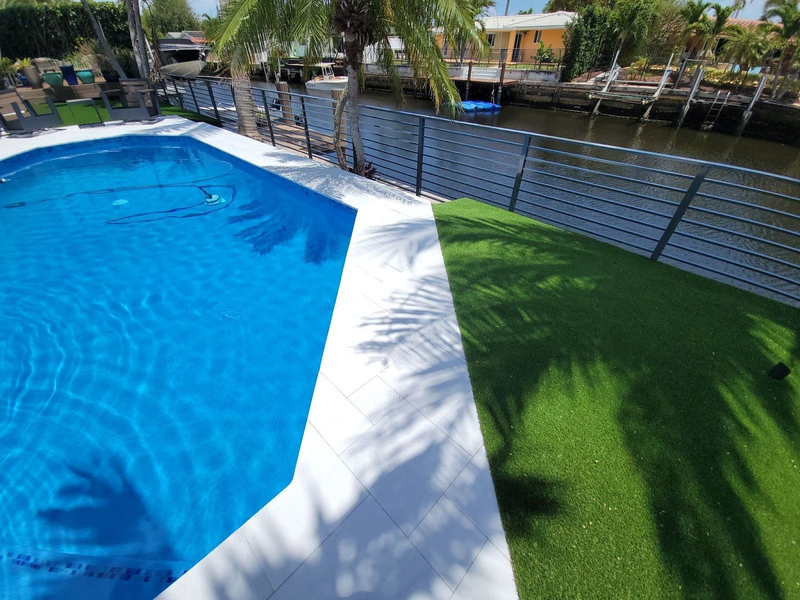
While you’re addressing the pool surface, take a hard look at what surrounds it. Cracked or uneven decking creates trip hazards and detracts from your renovation. Many homeowners tackle pool deck restoration in Broward County at the same time to get a cohesive finished look.
The same goes for tile. Chipped or outdated waterline tile undermines an otherwise beautiful resurface. Updating your pool tile during the same project makes sense logistically and aesthetically.
Ready to Make the Call?
You know your pool better than anyone. If you’re seeing the signs, feeling the rough spots, or just sensing that something’s not right, trust your gut. Waiting only makes the problem worse and the repair more expensive.
Poolside Renos has spent over 30 years helping South Florida homeowners bring their pools back to life. From Diamond Brite finishes to complete backyard transformations, we handle every detail with the care your home deserves.